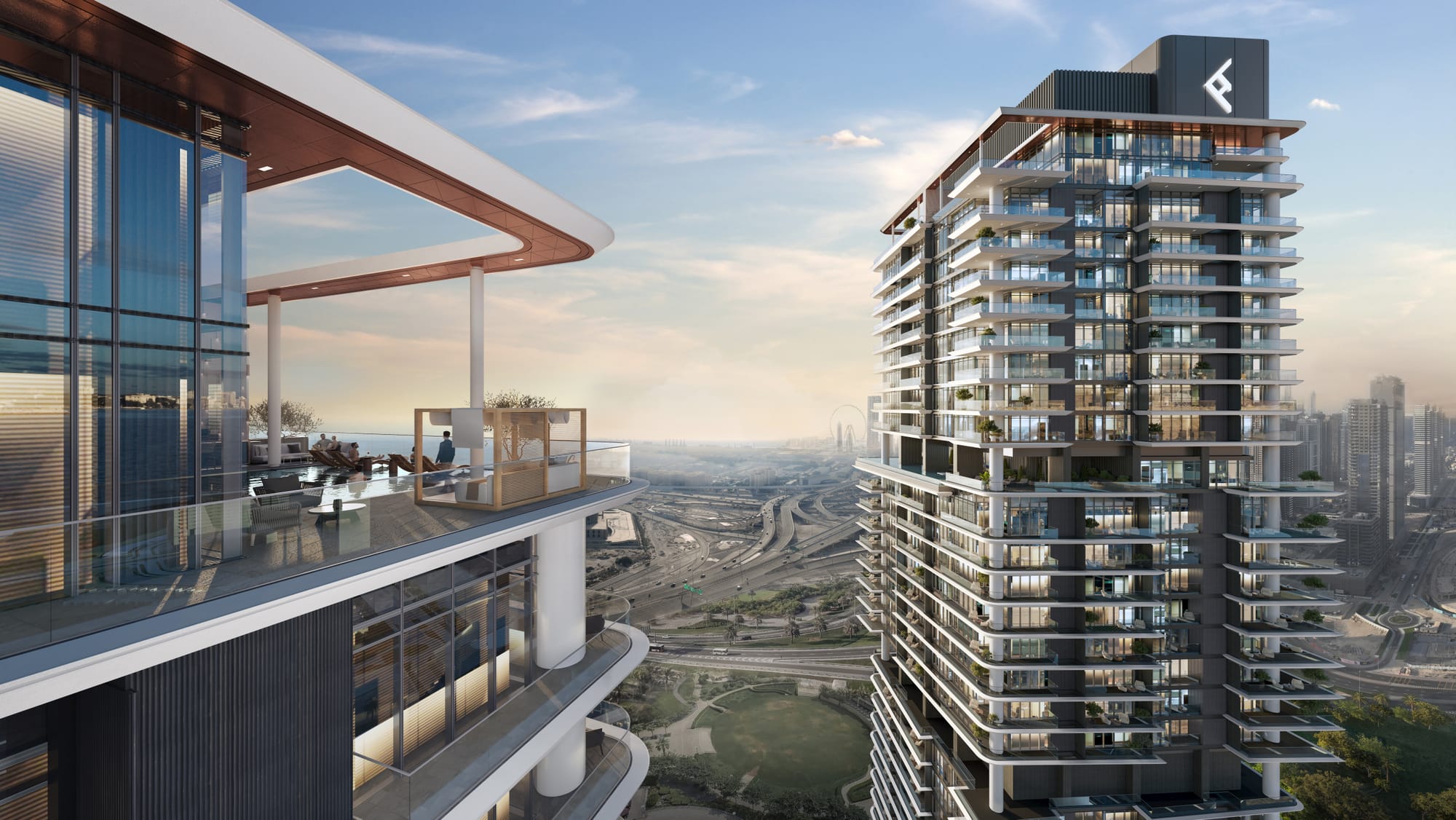
Dubai continues to position itself as one of the world’s most resilient and high-growth real estate investment markets, supported by strong transaction volumes, global capital inflows, and large-scale master-planned development. Between 2025 and 2026, the off-plan segment has become the primary driver of residential market activity, offering structured entry points for first-time and institutional investors.
Why Invest in Dubai Off-Plan Property?
Off-plan real estate enables investors to acquire properties during construction at comparatively favorable pricing, supported by flexible developer payment structures.
Key advantages:
- Lower entry pricing versus completed properties
- Flexible installment-based payment plans
- Post-handover payment options (select developments)
- Capital appreciation potential during construction phases
- Access to new master-planned communities
2025–2026 Market Performance Overview
Dubai’s property market continues to demonstrate strong fundamentals driven by demand expansion and supply pipeline growth.
Key Market Statistics
2025 Performance
- ~215,000 residential transactions (record year)
- ~AED 682.6 billion total market value
- Off-plan accounted for approximately 63% of total transactions
- Average rental yields: 6%–7%
Early 2026 Trends
- Average price per sq ft: ~AED 1,976 (+18% YoY growth)
- Median residential pricing: ~AED 1,692 per sq ft
- Off-plan share: ~64% of total market activity
- Monthly transaction volumes: 16,000–20,000+ units during peak periods
Market Insight
Off-plan property now represents the core liquidity engine of Dubai’s residential market, reflecting strong end-user and investor demand.
Supply Pipeline Outlook (2026–2029)
- Over 1,500 active off-plan developments
- Approximately 469,000 residential units in pipeline
- Strong concentration in master-planned and waterfront communities
Strategic implication:
Future performance will be increasingly micro-location driven, with clear divergence between prime and oversupplied zones.
Key Off-Plan Investment Hotspots
Downtown Dubai – Prime Core Market
A globally recognized luxury district and the benchmark for high-end urban living.
- Strong international demand
- High short-term rental performance
- Limited supply supporting price stability
Investor profile: Capital preservation and premium asset positioning
Off-plan projects: Address Grand Downtown, W Residences Downtown Dubai, Mercedes-Benz Places by Binghatti, The St. Regis Residences Downtown
Business Bay – Central Growth Corridor
A rapidly evolving mixed-use district adjacent to Downtown Dubai.
- Lower entry pricing (20%–35% below Downtown)
- Strong professional tenant base
- Ongoing waterfront development
Investor profile: Balanced yield and growth strategy
Off-plan projects: Canal Crown (DAMAC), Peninsula Four (Select Group), Aykon City 3 (DAMAC), One by Binghatti, Binghatti Aquarise, Binghatti Skyrise, Bayz 101 by Danube
Dubai Marina – Established Waterfront Market
One of Dubai’s most liquid and mature residential zones.
- High occupancy levels
- Strong expatriate demand
- Established resale liquidity
Investor profile: Rental income stability
Off-plan projects: Six Senses Residences Dubai Marina, Franck Muller Vanguard, Residences Du Port Autograph Collection, Sky Edition at Seahaven (Sobha)
Dubai Hills Estate – Master-Planned Growth Zone
A large-scale green community integrated into the broader urban expansion framework.
- Golf course and park-centric design
- Strong family demand base
- Long-term appreciation potential
Investor profile: Long-term capital growth
Off-plan projects: Park Gate Residences (Emaar), Hillsedge / Hills Park phases, Golf Hillside releases, ongoing Emaar master-community phases
Jumeirah Village Circle (JVC) – Entry-Level Market
One of the most active entry points for first-time investors.
- Affordable entry pricing (up to 50% below central areas)
- Strong rental demand
- Continuous development pipeline
Investor profile: Entry-level portfolio building
Off-plan projects: Binghatti Apex, Binghatti Hillcrest, Binghatti Amber, Binghatti Orchid, Binghatti Tulip, Danube Diamondz, Azizi Venice
Dubai Creek Harbour – Future Waterfront CBD
A flagship master development positioned as a future central business and residential district.
- Large-scale waterfront master plan
- Strong long-term institutional development vision
- Emerging alternative to Downtown-style urban living
Investor profile: Long-term strategic growth positioning
Off-plan projects: Creek Waters 1 & 2, Creek Crescent, Address Residences Dubai Creek Harbour, Creek Edge, Creek Beach phases (Emaar)
Palm Jumeirah – Ultra-Luxury Island Market
One of the world’s most recognized luxury residential destinations.
- Ultra-prime beachfront and branded residences
- High global demand from HNWIs
- Strong short-term rental premium performance
Investor profile: Wealth preservation and luxury asset allocation
Off-plan projects: Palm Beach Towers (Nakheel), Orla Infinity (Omniyat), Armani Beach Residences, Six Senses Residences The Palm
Jumeirah – Established Coastal Luxury District
A traditional prime coastal area with strong lifestyle and tourism appeal.
- Low-density luxury residential environment
- Strong demand for villas and premium apartments
- Proximity to key leisure and beach infrastructure
Investor profile: High-end lifestyle and stable capital holding
Off-plan projects: Jumeirah Residences Emirates Towers, Jumeirah Living business-line branded residences (select boutique launches)
Investment Performance Benchmarks
- Gross rental yields: 6%–7% average
- Off-plan price range: AED 1,180 – 2,400 per sq ft (location dependent)
- Long-term price growth: ~11% CAGR (2020–2026 estimate)
- Off-plan market share: 60%+ of total transactions
Key takeaway:
Dubai continues to offer a rare combination of yield, liquidity, and capital appreciation potential, particularly across well-selected micro-markets.
Key Investment Considerations
A disciplined investment approach is essential:
- Developer track record and delivery reliability
- Payment structure and post-handover obligations
- Service charges and net yield impact
- Supply concentration in target communities
- Exit strategy planning (rental vs capital gain)
Conclusion
The 2025–2026 cycle confirms that off-plan real estate in Dubai has matured into a large-scale institutional market segment.
While broad market fundamentals remain strong, performance is increasingly determined by asset selection at the micro-location level.
Final Insight:
The most successful investors are those who align capital strategy, risk profile, and location fundamentals—rather than relying on market timing or promotional pricing alone.
Want a tailored read for your own position?
YAZDAN Properties is a Dubai-based real-estate advisory firm. We work with international and UAE-based investors on neutral, data-led reviews — no pressure, no commission talk, just a clear look at the numbers.
Reach the team at info@yazdan.ae.
This article is editorial analysis and does not constitute investment advice. All figures cited are sourced and dated; market data may have moved since publication.
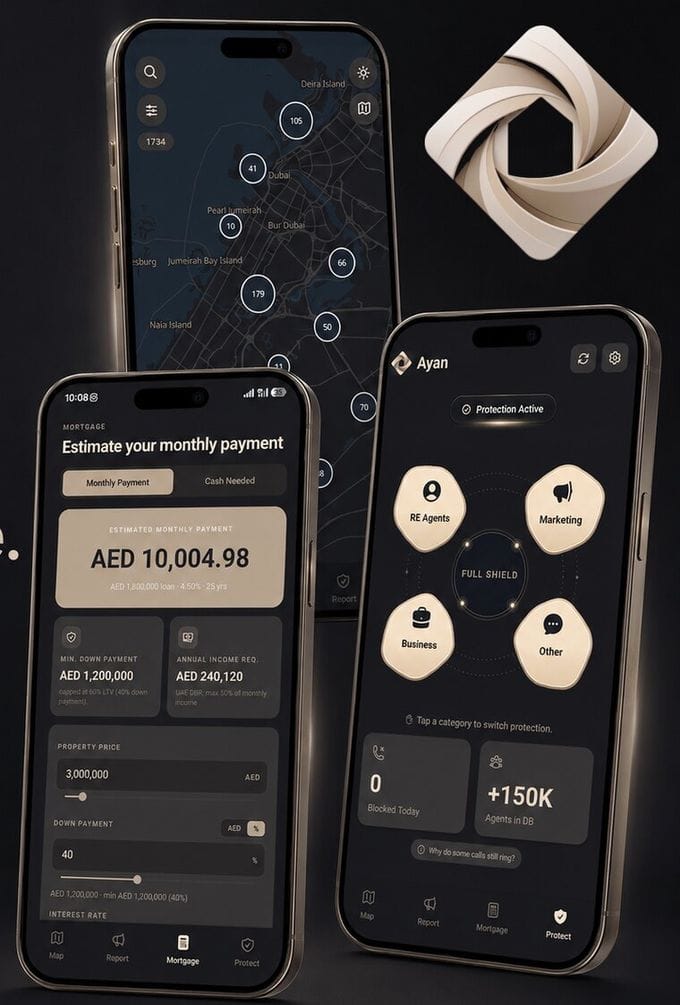
A live off-plan map of 1,700+ UAE projects, a full UAE mortgage calculator and OS-level spam-call protection, all in one app.
Get the AYAN app →Or go straight to the App Store or Google Play. On a computer? Open map.YAZDAN in your browser, no download needed.
YAZDAN Properties reads the DLD numbers for your goal, whether you're buying, selling or investing, and tells you plainly what they mean for you.
Book a 30-minute advisory call → WhatsApp usOr email info@yazdan.ae directly.